
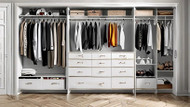
Closet Organizer with Drawers: Complete Selection Guide
Posted by graues on 08.04.26
If you've ever opened your closet door and felt a wave of frustration at the chaos inside, you're not alone. A well-designed closet organizer with drawers can transform that jumbled mess into a functional space where everything has its place. Unlike simple hanging rods or basic shelving, systems with built-in drawers give you the hidden storage you need for folded clothes, accessories, and items you'd rather keep out of sight.
The right organizer does more than just look tidy—it actually changes how you get ready in the morning. Drawers keep delicate items protected from dust, prevent sweaters from stretching on hangers, and make it easier to see what you own. Whether you're working with a cramped reach-in closet or a spacious walk-in, choosing a system with drawers means you're investing in both organization and long-term usability.
This guide walks through what actually matters when selecting, installing, and maintaining these systems, including the mistakes people make most often and practical tips that make a real difference.
Key Takeaways
- Drawer-based organizers work best when you measure your space carefully and plan for both hanging and folded storage needs
- Material choice affects durability and price—solid wood costs more but lasts longer than particleboard or wire systems
- Proper installation requires checking wall studs and weight capacity, especially for hanging units
- Small closets benefit from vertical designs with multiple shallow drawers rather than fewer deep ones
- Regular decluttering matters more than the organizer itself for maintaining long-term functionality
Understanding Your Closet Organizer Options
The market offers several distinct types of drawer-based closet systems, and understanding the differences helps you avoid buying something that doesn't fit your actual needs. A small closet organizer with drawers typically features compact dimensions and vertical stacking to maximize limited square footage. These units often combine two or three drawers with a hanging rod above, making them ideal for apartments or secondary bedrooms.
For those who prefer natural materials, a wood closet organizer with drawers brings warmth and durability that laminate or wire systems can't match. Solid wood or quality plywood resists sagging over time, though it does come with a higher price tag. The finish matters too—sealed wood handles humidity better than raw surfaces, which is worth considering if you live in a damp climate.
A hanging closet organizer with drawers mounts directly to your closet rod and works well for renters or anyone who can't install permanent fixtures. These fabric or lightweight composite units typically feature collapsible drawers and limited weight capacity, so they're better suited for accessories and undergarments than heavy jeans or sweaters.
When you have more square footage, a walk in closet organizer with drawers can include full dresser-style drawer towers flanking both sides of the space. These comprehensive systems often incorporate a closet organizer with drawers and shelves in modular configurations, letting you customize the layout as your wardrobe changes. According to the EPA's guidance on indoor air quality, choosing low-VOC finishes and formaldehyde-free materials becomes especially important in enclosed closet spaces where ventilation is limited.
Measuring and Planning Your Layout
Most installation failures start with poor measurements. You need three critical dimensions: height from floor to ceiling (or to any shelf you can't remove), total width of the closet space, and depth from the back wall to the door frame. Don't forget to account for baseboards, which can reduce usable depth by an inch or more.
Think about what you'll actually store in the drawers. Shallow drawers (4-6 inches deep) work well for socks, underwear, and accessories. Medium drawers (8-10 inches) handle folded t-shirts and casual pants. Deeper drawers (12+ inches) accommodate bulky sweaters or purses, but they can become black holes where items get lost at the bottom.
The ratio of hanging space to drawer space depends on your wardrobe. Someone with mostly dresses and button-down shirts needs more hanging room. If you wear a lot of knitwear and athleisure, drawers become the priority. A common split is 60% hanging and 40% drawers, but this varies widely.
Common Mistakes
One of the biggest errors people make is buying a system before decluttering. You end up organizing things you don't actually wear, and the new system feels cramped from day one. Pare down first, then measure what remains.
Another frequent problem is ignoring weight limits. Those slim drawer glides have specific capacities, usually between 50-75 pounds for residential systems. Overloading causes sagging, jamming, and premature failure. If you're storing heavy items like handbags or shoe collections, look for commercial-grade glides rated for higher weights.
People also underestimate installation complexity. Freestanding units seem simple, but they still need to be level and sometimes anchored to prevent tipping—especially important if you have children in the home. Wall-mounted systems require locating studs and using appropriate anchors. The Consumer Product Safety Commission provides important guidance on furniture tip-over prevention, which applies to tall closet organizers. When in doubt about structural installation or wall anchoring, consulting a professional installer ensures both safety and warranty compliance.
Choosing the wrong drawer depth for your items is another common misstep. Deep drawers seem practical, but they encourage stacking items so high that you can't see or reach what's at the bottom. Multiple shallow drawers usually work better for visibility and access.

Material Comparison
Here's how the most common materials stack up for closet organizers with drawers:
Material Comparison Table
Material | Durability | Cost | Best For | Considerations
Solid Wood | Excellent (20+ years) | High | Long-term investment, custom builds | Requires climate control, heavier
Plywood | Very Good (15-20 years) | Medium-High | Quality builds on budget | Check veneer quality, edge banding
MDF/Particleboard | Fair (5-10 years) | Low-Medium | Temporary or rental situations | Vulnerable to moisture, can sag
Wire/Metal | Good (10-15 years) | Low-Medium | Ventilation, visibility | Less polished look, items can fall through
Laminate | Good (10-15 years) | Medium | Modern aesthetics, easy cleaning | Quality varies widely by manufacturer
Practical Tips
Start by installing drawer dividers or organizers within the drawers themselves. Even the best system becomes chaotic without internal organization for small items like socks, belts, and jewelry.
Consider soft-close drawer glides if you're building or upgrading a system. They cost slightly more but prevent slamming, reduce wear on the drawer box, and add a premium feel that makes your closet more pleasant to use daily.
Label the front of drawers if you're organizing for multiple people or storing seasonal items. A small label maker creates clean tags that help everyone in the household maintain the system.
Use the top of drawer units as additional storage or display space. A small tray for daily jewelry or a decorative box for accessories makes use of otherwise wasted surface area.
Install LED strip lighting inside the closet if it doesn't have adequate overhead light. Being able to see into drawers clearly reduces frustration and helps you maintain organization over time.
Plan for seasonal rotation by designating certain drawers for out-of-season items. Swap contents twice a year to keep your most-used clothing accessible.
Vacuum or dust inside drawers every few months. Lint, dust, and debris accumulate surprisingly fast, especially in bottom drawers, and can transfer to clean clothes.
If you're installing a heavy system, place furniture pads under freestanding units to protect flooring and make future repositioning easier. This small step prevents scratches and dents in hardwood or tile.
Measure your longest hanging items before finalizing drawer placement. Long dresses or coats need 60-70 inches of vertical clearance, which affects how high you can position drawer units underneath hanging rods.
Consider pull-out drawer systems instead of traditional drawers for very deep closets. These maximize depth while keeping items accessible, preventing the "lost in the back" problem.

FAQ
What's the ideal drawer height for a closet organizer?
Most people find 4-6 inch drawers work best for undergarments and accessories, while 8-10 inch drawers handle everyday clothing like t-shirts and pants. Drawers deeper than 12 inches tend to become disorganized unless you're storing specific bulky items like sweaters or handbags. The key is matching drawer depth to what you'll actually store rather than assuming deeper is always better.
Can I install a closet organizer with drawers myself?
Many modular systems are designed for DIY installation and come with detailed instructions. Freestanding units are generally straightforward if you're comfortable with basic tools and can ensure the unit is level. Wall-mounted or built-in systems require locating studs, drilling into walls, and potentially working with heavy components. If your installation involves electrical work for lighting or requires structural modifications, consulting a professional is advisable.
How do I prevent drawers from sticking or jamming?
Regular cleaning of the drawer tracks removes dust and debris that causes friction. Avoid overloading drawers beyond their weight rating, which stresses the glides and causes misalignment. For wood drawers in humid climates, a dehumidifier in the closet prevents swelling that makes drawers stick. Occasionally applying a silicone-based lubricant to metal glides keeps them operating smoothly.
Are wire organizers as good as wood for drawers?
Wire systems excel at ventilation and visibility, making them good for shoes or items that benefit from airflow. However, wire drawers often require additional liners to prevent small items from slipping through, and they don't provide the concealed storage that solid drawers offer. Wood or composite drawers give a more finished appearance and better protection for delicate fabrics, though they cost more and add weight to the system.
What's the best way to organize drawers in a small closet?
Vertical stacking with multiple shallow drawers beats fewer deep drawers in tight spaces because it maximizes storage without creating hard-to-reach areas. Use drawer dividers to create zones for different item types, preventing everything from mixing together. Consider a narrow tower of drawers (12-18 inches wide) on one side with hanging space on the other, which balances storage types without overwhelming the space.
How much weight can typical closet drawer glides hold?
Standard residential drawer glides are rated for 50-75 pounds, though this varies by manufacturer and glide quality. Heavy-duty or commercial-grade glides can handle 100-150 pounds but cost significantly more. Always check the specifications for your specific system and distribute weight evenly within the drawer. If you're storing particularly heavy items like shoe collections or handbags, upgrading to higher-capacity glides prevents premature failure.
Making Your Closet Work for You
A well-chosen closet organizer with drawers changes your daily routine in subtle but meaningful ways. You spend less time searching for items, your clothes stay in better condition, and getting dressed becomes simpler. The initial investment in planning, quality materials, and proper installation pays off through years of reliable function.
Remember that even the best organizer requires maintenance and periodic reassessment. As your wardrobe changes, adjust the system to match. The goal isn't perfection—it's creating a space that actually serves how you live. Take the time to get it right, and your closet will become one of the most functional spaces in your home.