
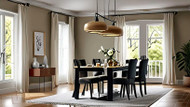
Dining Room Wall Decor That Actually Works in Real Homes
Posted by graues on 10.04.26
Bare walls can make even the most beautiful dining table feel incomplete. The right dining room wall decor transforms a functional eating space into a room that feels intentional, welcoming, and uniquely yours. Whether you're working with a cozy breakfast nook or a formal dining area, the walls offer an often-underutilized canvas that can set the entire mood of the room.
The challenge isn't finding options—it's choosing among the overwhelming number of possibilities. Mirrors, artwork, shelving, textiles, and architectural elements all compete for your attention. The key is understanding what works for your specific space, lifestyle, and the atmosphere you want to create when people gather around your table.
This guide walks through practical approaches to dining room wall decor that actually work in real homes, including what most people get wrong and how to avoid those pitfalls.
Key Takeaways
- Scale matters more than style—oversized pieces often work better than collections of small items in dining spaces
- Functional decor like floating shelves or plate displays can add visual interest while serving a purpose
- Lighting integration with wall decor creates depth and ambiance for evening meals
- Balance is crucial: too much symmetry feels stiff, but too little cohesion feels chaotic
- Textural variety prevents walls from looking flat, even in minimalist spaces
Understanding Your Space
Before you hang anything, spend time observing how your dining room actually functions. Notice where natural light enters, where shadows fall during dinner hours, and how traffic flows around the table. These practical considerations should guide your decorating choices more than any trend.
Small dining room wall decor ideas often focus on creating the illusion of more space. Mirrors are the obvious choice here, but their placement matters enormously. A large mirror on the wall opposite a window bounces light and expands the perceived dimensions. However, positioning a mirror where it reflects clutter or an unflattering angle defeats the purpose entirely.
For larger spaces, the opposite problem emerges—walls can feel cavernous and cold without sufficient visual weight. Large dining room wall decor needs to command attention without overwhelming the room. A single oversized piece often succeeds where a gallery wall might feel busy. Think statement mirrors, large-scale botanical prints, or even architectural salvage pieces like vintage shutters or window frames.
Dining Room Wall Decor Ideas That Work
Artwork and Prints
Original artwork or quality prints remain the most straightforward approach. The conventional wisdom suggests hanging art at eye level, typically with the center point around 57-60 inches from the floor. But in dining rooms, consider that people spend most of their time seated. Dropping artwork slightly lower than standard gallery height often creates better visual balance when you're actually using the space.
Abstract pieces work well because they don't compete with table settings or food presentation. Landscapes and botanical themes bring an organic element that complements dining. Whatever you choose, consider how the colors interact with your dishes, linens, and the food you typically serve.
Functional Wall Elements
Floating shelves offer versatility that static artwork can't match. You can rotate seasonal displays, showcase special dishes, or incorporate living plants. The EPA notes that certain indoor plants can contribute to improved indoor air quality, making them both decorative and functional additions to dining spaces.
Plate walls have cycled in and out of fashion, but they remain practical in dining rooms where they make thematic sense. The key is editing—five to seven carefully chosen plates in varying sizes typically looks more sophisticated than a dozen mismatched pieces. Proper plate hangers rated for the weight of your dishes are essential; adhesive disc hangers work for lightweight decorative plates, but anything with actual heft needs wire hangers with appropriate wall anchors.

Textiles and Dimensional Elements
Woven wall hangings, tapestries, or even quilts add warmth and acoustic softening—a practical benefit in rooms with hard surfaces that can echo. These work particularly well in casual dining spaces or homes with bohemian or eclectic styling. Just remember that textiles in dining areas need regular cleaning since they absorb cooking odors and airborne grease more readily than hard surfaces.
Small Dining Room Decor Strategies
When floor space is limited, vertical design becomes crucial. Small dining room decor should draw the eye upward to emphasize ceiling height. Vertical elements like tall, narrow artwork or vertically-oriented shiplap create this effect naturally. Avoid heavy, dark frames that visually shrink the space—light frames or frameless mounting keep things airy.
One often-overlooked strategy: leave some wall space empty. Negative space isn't wasted space. It gives the room visual breathing room and prevents that cluttered feeling that makes small spaces feel even smaller. This restraint is harder to practice than filling every inch, but it usually yields better results.
Dining Room Decor Ideas by Style
Traditional spaces benefit from symmetry and classic materials. Matching sconces flanking a central mirror or piece of artwork creates formal balance. Wood-framed botanical prints or classic still life paintings reinforce traditional aesthetics.
Modern and contemporary dining rooms can handle bolder choices—geometric metal sculptures, oversized abstract canvases, or even architectural elements like exposed brick or board-formed concrete left as textural backdrops. The minimalist principle of "less but better" applies here.
Farmhouse and rustic styles embrace reclaimed materials, vintage signs, wreath displays, and wooden elements with visible grain and patina. These spaces can handle more eclectic combinations without looking chaotic, but even here, a unifying element—consistent color palette or material—helps maintain cohesion.
Common Mistakes
The most frequent error is choosing pieces that are too small. Undersized artwork floating on a large wall looks tentative and unfinished. When in doubt, go larger than you think you need. A piece that covers roughly two-thirds to three-quarters of the wall space above a buffet or credenza typically looks proportionally correct.
Another misstep is ignoring the relationship between wall decor and lighting. Artwork needs adequate illumination to be appreciated, especially during evening meals when dining rooms see the most use. Picture lights, adjustable track lighting, or even strategically placed sconces make a substantial difference.
Many people also forget to consider viewing angles. Wall decor that looks perfect when you walk into the room might be invisible or awkwardly positioned when you're seated at the table. Test your arrangement by sitting in various chairs before permanently mounting anything.
Finally, there's the temptation to treat the dining room as a museum for everything you couldn't fit elsewhere. Cohesion matters. Your dining room wall decor should feel intentional, not like an overflow gallery for miscellaneous pieces.
Practical Tips

Here are actionable strategies for implementing dining room wall decor ideas effectively:
- Create templates: Before drilling holes, cut paper templates matching your artwork dimensions and tape them to the wall. Live with the arrangement for a few days to ensure you're happy with placement.
- Use proper anchors: Drywall alone won't support substantial pieces. Locate studs when possible, or use appropriate drywall anchors rated for the weight you're hanging. When dealing with electrical work or concerns about what's behind your walls, consult resources on home safety or hire a qualified professional.
- Layer your lighting: Combine ambient, task, and accent lighting. Dimmable fixtures let you adjust the mood from bright family dinners to intimate gatherings.
- Consider removable options: Renters or commitment-phobes can use picture ledges, leaning artwork, or command strips rated for heavier weights. These allow flexibility without permanent installation.
- Mix textures intentionally: Combine smooth and rough, matte and glossy, hard and soft elements to create visual interest without relying solely on color or pattern.
- Maintain breathing room: Leave 3-6 inches between the top of a buffet or credenza and the bottom of wall art. This visual separation prevents the space from feeling crowded.
- Account for chairs: Ensure wall decor hangs high enough that chairs won't bump it when pulled out. This is particularly important for pieces that extend low or have protruding frames.
- Coordinate with your table: The visual weight and style of your wall decor should complement, not compete with, your dining table. A massive farmhouse table can handle bold wall treatments; a delicate glass table needs lighter touches.
- Plan for flexibility: Install a picture rail or use adjustable hanging systems that let you change arrangements without new holes.
- Test colors in different light: Paint samples and fabric swatches look dramatically different in morning sunlight versus evening lamplight. Test your choices at various times of day.
Budget Considerations
Quality dining room wall decor doesn't require luxury budgets. Thrift stores and estate sales often yield vintage mirrors, frames, and artwork at fraction-of-retail prices. You can reframe these finds or leave them as-is for authentic patina.
DIY options abound for the crafty. Framed fabric remnants, painted canvases, or even well-executed wall stenciling can achieve custom looks inexpensively. The investment is time rather than money, but the results can be just as impactful as purchased pieces.
That said, certain elements justify higher spending. A truly stunning mirror or a piece of original artwork becomes a long-term investment that elevates the entire space. Balance splurges on anchor pieces with budget-friendly supporting elements.
FAQ
What is the best height to hang dining room wall decor?
For artwork above a buffet or sideboard, position the piece so its center sits 6-12 inches above the furniture. For standalone wall art, the center should typically be around 57-60 inches from the floor, though you might go slightly lower in dining rooms since people view it while seated. The goal is comfortable viewing from both standing and sitting positions.
How do I choose the right size wall decor for my dining room?
Measure your wall space and aim for pieces that fill roughly two-thirds to three-quarters of the available width. For walls with furniture beneath, the artwork should be about two-thirds the width of the furniture piece. When in doubt, larger usually works better than smaller in dining spaces, which tend to have substantial furniture that needs visual balance.
Can I mix different styles of wall decor in one dining room?
Yes, but establish a unifying thread—consistent frame color, a cohesive color palette, or a thematic connection. Eclectic mixing works best when there's an intentional relationship between pieces rather than random collection. Three different styles is usually the maximum before a space starts feeling disjointed.
What wall decor works best for small dining rooms?
Mirrors are ideal for small spaces because they reflect light and create depth. Vertical elements draw the eye upward, emphasizing height over limited floor space. Light-colored pieces and frames prevent visual heaviness. One substantial piece typically works better than multiple small items, which can make a compact room feel cluttered.
How do I decorate dining room walls without damaging them?
Picture ledges let you lean artwork without drilling multiple holes. Removable adhesive strips rated for appropriate weights work for lighter pieces. Picture rails installed near the ceiling allow you to hang items on cords or wires that can be repositioned. Freestanding screens or room dividers can also function as decorative backdrops without wall attachment.
Should dining room wall decor match the rest of my home?
Your dining room should feel connected to adjacent spaces but doesn't need to match exactly. Carry through one or two elements—perhaps a color from your living room palette or a material that echoes your kitchen finishes. This creates flow while allowing the dining room its own character. Complete matching often feels forced rather than cohesive.
Bringing It Together
The walls in your dining room frame every meal, conversation, and celebration that happens around your table. Thoughtful dining room wall decor doesn't just fill empty space—it sets the tone, reflects your personality, and makes the room feel complete. Whether you're working with a compact breakfast nook or a spacious formal dining area, the principles remain consistent: choose pieces with appropriate scale, create visual balance, and select elements that enhance rather than distract from the room's primary function.
Start with one anchor piece that speaks to you, then build around it gradually. There's no rush to fill every inch immediately. Sometimes the most sophisticated spaces are those that evolved thoughtfully over time. Pay attention to how the room feels when you're actually using it, and adjust accordingly. Your dining room walls are a living element of your home, not a static display—give yourself permission to experiment, rearrange, and refine until the space truly feels like yours.