
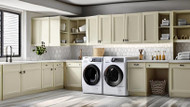
Laundry Room Cabinets: Smart Storage Ideas That Actually Work
Posted by graues on 10.04.26
Laundry rooms have come a long way from being forgotten corners of the home. These hardworking spaces deserve thoughtful storage solutions that make washing, drying, and organizing less of a chore. When designed well, laundry room cabinets transform a purely functional area into something that actually feels manageable—maybe even pleasant to spend time in.
The right cabinetry does more than hide clutter. It creates dedicated spots for detergents, stain removers, cleaning supplies, and all those odds and ends that tend to pile up. Whether you're working with a spacious dedicated room or a tight closet setup, smart cabinet choices can dramatically improve how the space functions day to day.
Before diving into specific solutions, it helps to think about what you really need from this space. Different households have different laundry rhythms, and your cabinet strategy should reflect how you actually use the room—not just how it looks in magazine photos.
Key Takeaways
- Cabinet placement should follow your workflow from sorting through folding
- Upper cabinets maximize vertical space without eating into floor area
- Moisture-resistant materials prevent warping and mold in humid environments
- Open shelving mixed with closed storage balances accessibility and visual calm
- Small spaces benefit most from custom-fit solutions rather than standard sizes
Planning Your Cabinet Layout
The best cabinet systems start with honest assessment of your space and habits. Measure carefully—not just width and height, but also depth, especially around appliances and doors. Many people get excited about a cabinet design only to realize it blocks the dryer door or creates an awkward reach over the washer.
Think about zones. You'll want storage near where you sort dirty clothes, another area for detergents and supplies you grab constantly, and ideally a spot for items you use less frequently. Upper cabinets work beautifully for things you don't need every load—extra paper towels, seasonal items, or backup supplies. Lower cabinets or drawers make sense for heavier items and things kids might need to access.
Working With What You Have
Not every laundry situation allows for a complete custom build. Sometimes you're adapting existing cabinetry or working around plumbing and venting that can't be moved. That's fine. Stock cabinets from home improvement stores have gotten surprisingly versatile, and many manufacturers now offer laundry-specific options with features like pull-out hampers or specialized shelving.
The trick with ready-made options is choosing pieces that actually fit your wall dimensions without awkward gaps. A few well-chosen cabinets often work better than trying to line every wall with mismatched units. According to the U.S. Department of Energy, proper spacing around appliances also improves ventilation and efficiency, which matters for both performance and longevity.
Material Choices That Actually Last

Laundry rooms see more moisture and temperature swings than most spaces. That steamy air from the dryer, occasional detergent spills, and general humidity mean materials matter more here than in, say, a bedroom closet.
Solid wood looks gorgeous but can warp if the room lacks proper ventilation. Many homeowners find better luck with plywood boxes and hardwood face frames, or quality laminate and thermofoil options designed for moisture exposure. Melamine interiors clean up easily and resist staining from spills. Whatever you choose, sealed or painted finishes hold up better than raw wood.
| Cabinet Feature | Best For | Consideration |
|---|---|---|
| Upper Wall Cabinets | Detergents, rarely-used items | Install securely into studs |
| Base Cabinets with Drawers | Folded linens, supplies | Soft-close prevents slams |
| Open Shelving | Baskets, daily-use items | Creates visual clutter if not maintained |
| Pull-out Hampers | Sorting dirty laundry | Requires cabinet depth of 24" |
Small Laundry Room Cabinets: Making Every Inch Count
Compact laundry spaces present their own puzzle. You can't just scale down a large room's design—you need different strategies entirely. Small laundry room cabinets work best when they go vertical and stay shallow where needed.
Consider cabinets above a stacked washer-dryer unit. That's often dead space that could hold a surprising amount. Narrow pull-out cabinets—sometimes called "sliver" cabinets—can fit in gaps as small as six inches and hold cleaning supplies, lint rollers, or other slim items. Wall-mounted cabinets that don't reach the floor keep sight lines open, which makes tight quarters feel less claustrophobic.
One approach that works well: prioritize closed storage for unsightly necessities, but include at least one open shelf or small countertop for items in active use. Constantly opening cabinet doors in a tiny space gets old fast.
Common Mistakes
The biggest mistake is treating laundry cabinets as an afterthought. People spend months choosing kitchen cabinets, then grab whatever's left in the budget for the laundry room. The result? Cabinets that don't fit the workflow or the space properly.
Another common issue is ignoring clearances. Cabinets placed too close to appliances create problems when you need to service machines or open doors fully. Front-loading washers need space to swing open—usually around 24 inches. Top-loaders need clearance above, which rules out overhead cabinets directly over the machine.
Many folks also underestimate how much ventilation matters. Packing cabinets too tightly around a dryer can trap heat and moisture. The Consumer Product Safety Commission emphasizes proper dryer installation and clearance as important safety considerations. When planning cabinetry around major appliances, it's smart to verify local building codes and manufacturer specifications.
Finally, there's the trap of choosing style over function. Those beautiful glass-front cabinets look amazing in photos but show every bit of clutter. Be honest about your organizational habits before committing to high-maintenance design choices.

Practical Tips
Here are some laundry room cabinets ideas that actually make daily life easier:
Install cabinets at varying heights. Not everything needs to be at the same level. Some items you grab constantly, others rarely. Match cabinet placement to usage frequency.
Add interior lighting. Upper cabinets get dark, especially in windowless laundry rooms. Simple battery-powered puck lights or LED strips make finding things much easier.
Include a fold-down ironing board. If you have the wall space, a cabinet-mounted fold-down board beats dragging one out of storage every time.
Plan for a countertop. Even a small surface for folding or setting down baskets makes the workflow smoother. If floor space is tight, a fold-down counter works surprisingly well.
Use adjustable shelving. Your storage needs will change. Detergent bottles come in different sizes, and fixed shelves often waste space or can't accommodate taller items.
Consider cabinet doors carefully. In tight spaces, sliding doors or even curtains might work better than traditional swing-out doors that need clearance.
Add pull-out features. Pull-out shelves, hampers, or even a pull-out step stool for reaching high cabinets all improve accessibility.
Don't forget about outlets. If you're installing cabinets, plan for electrical access. You might want to charge devices, plug in a steamer, or add task lighting.
Include a spot for air-drying. A pull-out drying rack or cabinet-mounted rod for hanging delicates saves space and protects clothes.
Think about the future. If you might age in place, lower cabinets and pull-out features become even more valuable over time.
FAQ
What's the standard depth for laundry room cabinets?
Most laundry room wall cabinets run 12 to 15 inches deep, while base cabinets typically measure 24 inches. However, you can adjust these dimensions based on your space and what you're storing. Shallower cabinets work fine for detergents and supplies, while deeper ones accommodate larger items like bulk paper towels.
Should I match my laundry cabinets to my kitchen cabinets?
It's not necessary, though some people like the cohesive look, especially in open-plan homes where the laundry area is visible. More important is choosing materials and finishes that suit the laundry room's specific conditions. Functionality trumps perfect aesthetic matching.
Can I install cabinets myself or should I hire someone?
Basic wall-mounted cabinets are within reach for confident DIYers, especially if you're comfortable finding studs and using a level. More complex installations involving plumbing relocation, electrical work, or custom built-ins typically benefit from professional help. When in doubt, at least consult with a qualified contractor about structural and code requirements.
How do I prevent mold in laundry room cabinets?
Proper ventilation is key. Make sure your dryer vents outside correctly, run exhaust fans during and after laundry, and avoid packing cabinets so tightly that air can't circulate. Moisture-resistant materials help, and leaving cabinet doors open occasionally allows things to air out.
What's the best cabinet organization for detergents and supplies?
Pull-out drawers or shelves work better than deep cabinets where things get lost in back. Lazy Susans help in corner cabinets. Many people find success with clear bins or baskets that group similar items—one for stain treatments, another for fabric softeners, etc.
Are open shelves or closed cabinets better for laundry rooms?
A mix usually works best. Closed cabinets hide visual clutter and protect contents from dust and moisture, while open shelves provide quick access to frequently used items. If you're naturally tidy, more open storage works fine. If clutter accumulates easily, lean toward closed cabinets with just a few open spots for active items.
Bringing It All Together
Good laundry room cabinets aren't about following a single perfect formula—they're about creating a system that matches how you actually do laundry. The best setup for a family of five looks different from what works for a couple or someone living alone. Think through your routine, measure carefully, and choose materials that can handle the environment.
Whether you're planning a complete renovation or just adding a few strategic cabinets to an existing space, the goal is making laundry less of a hassle. When everything has a logical place and you're not constantly hunting for supplies or working around poor layout choices, the whole process becomes a bit more bearable. And in a space you use this often, that difference really adds up over time.