
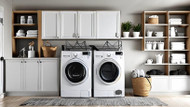
Laundry Room Shelving Guide: Organize Any Space
Posted by graues on 08.04.26
Laundry rooms often end up as catch-all spaces where detergent bottles, cleaning supplies, and mystery items pile up until you can barely find the dryer door. Good laundry room shelving changes that entirely. With the right shelving setup, you can transform even the smallest laundry area into an organized, functional space where everything has its place and you're not constantly digging through clutter.
Whether you're working with a dedicated laundry room or a compact closet setup, shelving makes the difference between chaos and calm. The trick is choosing options that fit your space, your budget, and the way you actually use the room—not just what looks pretty in photos.
This guide walks through everything you need to know about selecting and installing laundry room shelving that actually works for your home.
- Vertical space is your best friend in laundry rooms, especially in tight quarters
- Wire shelving offers ventilation benefits but may require shelf liners for smaller items
- Adjustable shelving systems provide flexibility as your storage needs change
- Measure twice before purchasing—laundry room dimensions vary dramatically
- Weight capacity matters more than most people think, especially for detergent storage
Understanding Your Laundry Room Shelving Options
The shelving market offers more choices than ever, which sounds great until you're standing in the aisle trying to decide. Wire shelving remains popular because it's affordable, easy to install, and allows air circulation around damp items. Solid wood or laminate shelves look more polished and prevent small items from tipping over, but they cost more and require careful installation to handle weight properly.
Floating shelves create a clean, modern look and work well for displaying pretty baskets or decorative storage containers. They're not ideal for heavy-duty storage, though. Metal industrial-style shelving units handle serious weight and often come with adjustable heights, making them versatile for changing needs. The aesthetic isn't for everyone, but functionality wins in a working laundry space.
Small Space Laundry Room Shelving Strategies
When you're dealing with limited square footage, every inch counts. Small space laundry room shelving requires creative thinking—look up, not out. Tall, narrow shelving units maximize vertical storage without eating up precious floor space. Over-the-washer shelving takes advantage of that awkward gap above appliances that otherwise goes to waste.
Corner shelves capture dead space that's otherwise useless. Pull-out shelving or slim rolling carts can tuck between appliances or slide into narrow gaps. Some people overlook the back of the door entirely, but an over-the-door organizer or narrow shelving unit mounted there can hold an impressive amount of supplies.
Material Considerations and Durability
Laundry rooms are humid environments with temperature fluctuations and occasional spills. Your shelving materials need to handle that reality. Laundry room wire shelving resists moisture damage and won't warp from humidity, which explains its enduring popularity. The downside? Small items fall through, and you'll likely want shelf liners to create a solid surface.
Wood shelving looks beautiful but requires proper sealing or painting to resist moisture damage. Laminate or melamine shelving offers a middle ground—more moisture-resistant than bare wood, less industrial-looking than wire. Proper ventilation helps any shelving material last longer and prevents mold growth in damp conditions.
| Shelving Type | Best For | Drawbacks | Price Range |
|---|---|---|---|
| Wire | Moisture resistance, ventilation | Small items fall through | $ |
| Wood/Laminate | Aesthetic appeal, solid surface | Moisture sensitivity | $$ |
| Metal Industrial | Heavy loads, adjustability | Utilitarian look | $$ |
| Floating | Clean appearance, display | Limited weight capacity | $-$$ |
Shelving Ideas for Laundry Room Layouts

The best shelving ideas for laundry room spaces depend heavily on your room's configuration. Side-by-side washer and dryer setups create natural shelving opportunities above the appliances. Stacked units free up more wall space for floor-to-ceiling shelving systems. If your machines sit under a counter, you might focus on wall-mounted shelves or cabinets instead.
L-shaped shelving configurations work beautifully in corner laundry spaces, wrapping around two walls for maximum storage. Open shelving with baskets combines accessibility with a tidier appearance—you can grab what you need quickly while hiding visual clutter. Mixing shelf depths helps too; shallow shelves for frequently used items, deeper shelves for bulk storage or seasonal items.
Custom Versus Pre-Made Systems
Pre-made shelving systems get you organized quickly and affordably. They're perfect if your laundry room has standard dimensions and you want a weekend project. Custom built-ins cost considerably more but utilize every inch of available space, which matters in awkward layouts or rooms with unusual dimensions. The investment makes sense if you're staying in your home long-term or if your laundry room has structural quirks that make standard units impractical.
Common Mistakes
The biggest mistake people make is underestimating weight requirements. Laundry supplies are heavy—a gallon of detergent weighs over eight pounds, and people often store multiple bottles plus other items. Shelving rated for light loads will sag or fail. Always check weight ratings and install according to manufacturer specifications.
Another common error is installing shelves too deep for the space. Deep shelves in narrow laundry rooms create head-bumping hazards and make items in back inaccessible. Measure your reach and the clearance around appliances before committing to shelf depth. People also frequently forget to account for door swing, dryer vent clearance, or the space needed to load and unload machines comfortably.
Skipping proper wall anchors is a recipe for disaster. Drywall alone won't support loaded shelves—you need to hit studs or use appropriate anchors for your wall type. If you're unsure about installation requirements or working with plaster, brick, or other specialty wall materials, consulting a professional prevents costly mistakes and potential safety issues.
Practical Tips
Here are actionable tips to make your laundry room shelving project successful:
Measure everything twice. Check the width, depth, and height of your available space, then measure again. Account for baseboards, light fixtures, and any obstacles.
Install shelves at ergonomic heights. Frequently used items should sit between waist and shoulder height. Reserve high shelves for rarely needed items and low shelves for heavy bulk storage.
Use shelf liners strategically. They prevent items from sliding on wire shelves and make cleaning easier. Rubber or cork liners work well in laundry rooms.
Label everything if using closed storage. Baskets and bins look great but become black holes without labels. Clear bins or labels keep things findable.
Leave room for growth. Don't fill every shelf to capacity initially. You'll acquire more supplies, and having breathing room makes the space more functional.
Consider lighting under shelves. LED strip lights are inexpensive and make it easier to see what you're grabbing, especially in darker laundry spaces.
Install lower shelves slightly deeper. This creates visual balance and provides more storage for bulkier items where you can easily reach them.
Test placement before permanent installation. Use painter's tape to mark shelf positions on the wall and live with it for a day or two. You might realize adjustments are needed.
Plan for changing needs. Adjustable shelving systems adapt as your storage requirements evolve, making them worth the modest extra cost.
Don't forget about the ceiling. Overhead racks or high shelves can store seasonal items, extra paper products, or things you rarely access.

FAQ
What's the ideal shelf depth for laundry room shelving?
Most laundry room shelves work best at 12 to 16 inches deep. This depth accommodates standard detergent bottles and supplies without protruding too far into the room. Shallower shelves around 8 to 10 inches work well for smaller items or in tight spaces where deeper shelves would create clearance issues.
How much weight should laundry room shelves support?
Plan for at least 50 pounds per linear foot for shelves storing laundry supplies. Heavy-duty shelving rated for 75 to 100 pounds per foot provides a safety margin and prevents sagging over time. The actual weight capacity depends on proper installation into studs or with appropriate anchors.
Is wire or solid shelving better for laundry rooms?
Wire shelving offers better air circulation and moisture resistance, making it practical for damp laundry environments. Solid shelving provides a more finished look and prevents small items from tipping through gaps. Many people use wire shelving with shelf liners to get benefits of both approaches.
How high should I install shelving above my washer and dryer?
Leave at least 12 to 18 inches of clearance above your appliances for comfortable loading and to avoid bumping your head. This spacing also accommodates opening top-loading washers fully. If you're tall or have a top-loader, increase the clearance to 24 inches for better ergonomics.
Can I install shelving myself or should I hire someone?
Most pre-made shelving systems are DIY-friendly with basic tools and some patience. You'll need a level, drill, and stud finder at minimum. If your project involves custom built-ins, complex configurations, or you're uncomfortable working with power tools and wall anchors, hiring a handyperson or carpenter ensures proper installation and safety.
What's the best way to organize items on laundry room shelves?
Group items by category and frequency of use. Keep everyday detergents and supplies at eye level, bulk items or backstock on lower shelves, and rarely used items up high. Use bins or baskets to corral small items, and consider a lazy Susan for corner shelves to access items easily without digging.
Creating Your Ideal Laundry Room Storage
Good laundry room shelving transforms a frustrating chore space into an organized, efficient area that actually makes laundry day less painful. The right setup depends on your specific space, budget, and how you use the room—there's no one-size-fits-all solution. Take time to assess your needs, measure carefully, and choose shelving that balances functionality with your aesthetic preferences.
Start with one area if a full overhaul feels overwhelming. Even adding a single well-placed shelf or organizing system creates immediate improvement. Your laundry room works hard for your household; giving it proper storage infrastructure makes that work easier for everyone. Ready to reclaim your laundry space from the clutter? Measure your space, pick your shelving style, and get started this weekend.