
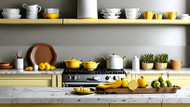
Martha Stewart Yellow Kitchen Decor: A Timeless Guide
Posted by graues on 08.04.26
Yellow kitchens have a way of lifting spirits the moment you walk through the door. When you combine that sunny disposition with Martha Stewart's signature blend of elegance and practicality, you get a space that feels both timeless and refreshingly modern. Martha Stewart yellow kitchen decor isn't about slapping a coat of bright paint on every surface—it's about layering warm tones, natural textures, and carefully chosen accents that make the heart of your home feel inviting without overwhelming the senses.
Whether you're drawn to soft buttery hues or bolder golden statements, yellow offers remarkable versatility. It pairs beautifully with white cabinetry for a classic look, complements natural wood for warmth, and even plays nicely with unexpected partners like navy or charcoal gray. The key is understanding how to balance intensity with restraint, which is precisely where Martha Stewart's approach shines.
This guide walks through the essential elements of creating a yellow kitchen that feels cohesive, functional, and genuinely welcoming—without the common pitfalls that can make yellow spaces feel dated or chaotic.
- Yellow kitchen decor works best when layered gradually through textiles, dishware, and accents rather than major structural commitments
- Pairing yellow with neutrals and natural materials prevents the space from feeling overwhelming or too trendy
- Lighting dramatically affects how yellow tones appear throughout the day—test samples in your actual kitchen conditions
- Martha Stewart's approach emphasizes quality over quantity, focusing on functional pieces that earn their place
- Balance warm yellows with cool undertones elsewhere to create visual interest and depth
Understanding Yellow's Range in Kitchen Design
Yellow spans an enormous spectrum, from pale cream that barely whispers color to deep mustard that commands attention. Martha Stewart yellow kitchen decor typically gravitates toward the middle ground—think fresh lemon curd, soft marigold, or vintage butter rather than neon highlighter. These mid-range yellows bring energy without fatigue, which matters tremendously in a space you use multiple times daily.
The undertones make all the difference. Yellows with slight green undertones lean fresh and spring-like, perfect for a farmhouse kitchen decor aesthetic. Those with orange undertones feel warmer and more autumnal—ideal if you're building an autumnal kitchen decor scheme that transitions gracefully through seasons. Cooler yellows with just a hint of gray work surprisingly well in contemporary spaces, offering sophistication without stuffiness.
How Yellow Interacts with Your Existing Kitchen
Your kitchen's existing elements—cabinetry finish, countertop material, flooring—all influence how yellow will perform. White or cream cabinets provide a clean canvas that lets yellow accessories pop without competition. Natural wood tones, especially oak or maple, create warmth but can sometimes clash with certain yellow shades if undertones don't align. Testing is essential. Grab paint swatches, fabric samples, or even yellow dish towels and live with them for a few days, observing how they look in morning light versus evening.
Building Your Yellow Kitchen Palette
A successful kitchen decor set in yellow tones relies on the 60-30-10 rule that designers have used for decades. Roughly 60% of your space should be a dominant neutral (white walls, wood floors, neutral cabinets), 30% a secondary color (this is where your yellow often lives—backsplash, window treatments, larger accessories), and 10% an accent color for punch (perhaps navy blue dish towels or copper hardware).
Martha Stewart's aesthetic often incorporates vintage-inspired elements that nod to earlier eras without full commitment to period accuracy. A 1960s kitchen decor influence might appear through geometric tile patterns or streamlined hardware, but updated with contemporary finishes and materials. This layering of eras prevents the space from feeling like a museum recreation while still honoring design history.
| Yellow Element | Best Application | Commitment Level |
|---|---|---|
| Paint (walls) | Accent wall or small kitchen | Medium (easily changed) |
| Backsplash tile | Focal point behind range or sink | High (renovation required) |
| Textiles (curtains, towels) | Easiest way to test yellow tones | Low (swap seasonally) |
| Dishware & accessories | Layered throughout open shelving | Low (rotate as desired) |
| Small appliances | Statement mixer or kettle | Medium (visible but moveable) |

Common Mistakes
The most frequent misstep is going too bright too fast. That cheerful lemon yellow you loved in the store can feel overwhelming when it covers an entire wall, especially in a small kitchen with limited natural light. Start small and build up—you can always add more yellow, but removing it requires significantly more effort.
Another common error involves ignoring the color temperature of your lighting. Yellow under warm incandescent bulbs can turn muddy or overly orange, while cool LED lighting might make certain yellows appear greenish. When planning how to decor kitchen spaces with yellow, test your color choices under the actual lighting you'll be using, not just in natural daylight.
Many people also forget about balance. A yellow kitchen needs visual rest areas—places where the eye can pause. If every surface, textile, and accessory screams yellow, the effect becomes exhausting rather than energizing. Incorporate plenty of white, natural wood, or soft gray to create breathing room.
The Undertone Trap
Mixing yellows with conflicting undertones creates visual discord that's hard to pinpoint but impossible to ignore. A cool, lemony yellow backsplash paired with warm, golden-yellow curtains will feel slightly off even if you can't immediately identify why. Stick within the same temperature family—all warm or all cool—for cohesion.
Practical Tips
Here are focused strategies for incorporating Martha Stewart yellow kitchen decor successfully:
1. Start with removable elements. Invest in yellow dish towels, a runner, or a bowl of lemons before committing to permanent changes. This lets you live with the color and adjust your vision.
2. Layer multiple shades. A monochromatic yellow scheme with pale butter walls, medium gold curtains, and deeper mustard accents creates sophisticated depth rather than flat monotony.
3. Use yellow strategically in small kitchens. In compact spaces, yellow works best on upper portions—upper cabinets, the ceiling, or high shelving—where it draws the eye up and creates an illusion of height.
4. Pair with unexpected materials. Yellow looks stunning against concrete countertops, matte black fixtures, or brushed brass hardware. These contrasts prevent the sweetness that can make yellow kitchens feel cloying.
5. Consider seasonal rotation. Bright, clear yellows shine in spring and summer, while deeper, amber-toned yellows transition beautifully into fall. Swapping textiles and accessories keeps the space feeling fresh.
6. Don't forget the fifth wall. A yellow ceiling in an otherwise neutral kitchen adds unexpected charm without overwhelming. This works particularly well in spaces with good natural light and white or cream walls.
7. Balance with living elements. Green plants provide the perfect natural complement to yellow tones, grounding the warmth with organic coolness. Herbs on the windowsill serve double duty as decor and ingredients.
8. Respect your home's architecture. A Victorian home might embrace richer, more saturated yellows, while a mid-century modern space often looks better with cleaner, crisper lemon tones. Let the bones of your home guide your choices.
9. Test extensively before painting. Purchase sample pots and paint large poster boards rather than small wall patches. Move these boards around the kitchen throughout the day to see how light affects the color.
10. Consider the view from adjacent rooms. Your yellow kitchen doesn't exist in isolation. Make sure the tones harmonize with what's visible from your dining room or living area to maintain flow throughout your home.

FAQ
What's the best yellow shade for a small kitchen?
Soft, pale yellows with slight gray or cream undertones work best in compact kitchens. These lighter shades reflect light and create an airy feeling without the intensity that can make small spaces feel closed in. Avoid deep or highly saturated yellows that can visually shrink the room.
How do I incorporate yellow without painting walls?
Focus on textiles, dishware, small appliances, and artwork. Yellow curtains, a patterned rug with yellow accents, open shelving displaying yellow ceramics, or even a vintage yellow mixer on the counter can provide plenty of color impact. Fresh flowers and fruit bowls offer temporary, changeable yellow touches.
Does yellow kitchen decor work with stainless steel appliances?
Absolutely. The cool tone of stainless steel actually provides excellent contrast to warm yellows, creating a balanced, modern look. The key is ensuring your yellow leans slightly warm rather than too cool or greenish, which can clash with the silver tones.
Can I mix yellow with other bold colors in my kitchen?
Yes, but with caution. Yellow pairs beautifully with navy blue, forest green, or even deep plum when balanced with plenty of neutrals. The trick is using the 60-30-10 rule—keep bold colors to smaller percentages and anchor everything with whites, grays, or natural wood tones.
How do I keep a yellow kitchen from looking dated?
Avoid overly trendy yellow shades and instead choose classic tones that have appeared in kitchens across decades. Focus on quality materials, clean lines, and timeless silhouettes for furniture and fixtures. Update accessories periodically rather than committing to yellow in permanent, expensive installations.
What countertop materials work best with yellow decor?
White marble, butcher block, concrete, and even black granite all complement yellow beautifully. Each creates a different mood—marble feels classic and elegant, wood adds warmth, concrete provides industrial edge, and black granite offers dramatic contrast. Choose based on your overall aesthetic goals and maintenance preferences.
Bringing It All Together
Martha Stewart yellow kitchen decor succeeds because it balances optimism with restraint, color with calm, and trendiness with timelessness. The approach isn't about following rigid rules but rather understanding principles—how colors interact, how light affects perception, how small changes create significant impact.
Your kitchen should reflect how you actually live, not just how spaces look in magazines. If you love cooking elaborate meals, prioritize functional beauty in your yellow accents—pretty dish towels that actually dry dishes, attractive storage that keeps counters clear, cheerful colors that make time at the stove more pleasant. If your kitchen is primarily a gathering space, focus yellow elements where people naturally look—seating areas, the backsplash behind a breakfast bar, or statement light fixtures overhead.
Start small, test thoroughly, and build your yellow kitchen gradually. The beauty of this approach is that it grows with you, adapting as your tastes evolve and your confidence with color increases. Before long, you'll have created a space that genuinely feels like home—warm, welcoming, and unmistakably yours.