
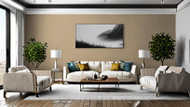
Wall Art for Living Room: A Practical Guide to Scale and Style
Posted by graues on 10.04.26
Choosing the right wall art for living room spaces can completely transform the feel of your home. It's not just about filling empty space—it's about creating a focal point that reflects your personality and ties the room together. Whether you're working with a sprawling blank wall or trying to balance existing furniture, the art you choose sets the tone for the entire space.
The challenge most people face isn't finding art they like, but finding pieces that work at the right scale and in the right arrangement. A piece that looks perfect in the store can feel lost on a large wall at home, while oversized art in a small room can overwhelm everything else. Getting this balance right makes all the difference.
This guide walks through practical approaches to selecting, sizing, and arranging wall art that actually works in real living rooms—not just styled photoshoots.
- Scale matters more than style—art should fill 60-75% of available wall space for proper visual weight
- Mixing frame styles and art types creates more interest than perfectly matched sets
- Placement height is critical: center your art at 57-60 inches from the floor
- Large-scale pieces often cost less per square foot than gallery walls of smaller prints
- Consider the room's function and lighting before committing to specific colors or materials
Understanding Scale and Proportion
The biggest mistake people make with wall art ideas for living room design is choosing pieces that are too small. A general rule: your art should take up about two-thirds to three-quarters of the available wall space above a sofa or console. For a standard 8-foot sofa, that means looking at pieces or arrangements that span 48-60 inches wide.
Large living room wall art makes a statement without requiring the precision of arranging multiple pieces. A single oversized canvas or framed print creates immediate impact and actually simplifies decorating decisions. You're working with one focal point instead of trying to balance several competing elements.
That said, bigger isn't always better. In rooms with lower ceilings or lots of windows, a massive piece can feel oppressive. The key is proportion relative to your specific wall dimensions and surrounding furniture.
Measuring Your Space Correctly
Before shopping, measure your wall width and the height from your furniture top to the ceiling. Subtract 6-12 inches from the width to determine your maximum art width. For height, aim to fill about 60-70% of that vertical space. These aren't rigid rules, but they prevent the common pitfall of buying art that gets dwarfed by the wall.
Material and Style Considerations
Canvas prints offer affordability and lightweight installation, but they can look flat in rooms with lots of texture. Metal prints bring contemporary edge and durability. Wood art adds warmth and dimension. According to research from the National Endowment for the Arts, exposure to visual arts in home environments correlates with improved well-being, making your choice about more than just aesthetics.
Big wall art living room installations often benefit from mixed media or three-dimensional elements. Textured pieces catch light differently throughout the day, creating visual interest that flat prints can't match. Woven wall hangings, carved wood panels, or layered metal sculptures add depth that makes spaces feel more curated.
| Art Type | Best For | Typical Cost Range | Durability |
|---|---|---|---|
| Canvas Prints | Budget-conscious, easy installation | $50-$300 | Moderate |
| Framed Art | Traditional spaces, added protection | $100-$600+ | High |
| Metal Wall Art | Modern/industrial aesthetics | $80-$400 | Very High |
| 3D/Sculptural | Adding dimension and texture | $150-$800+ | High |
Color Coordination Without Overthinking
You don't need to match your art exactly to your throw pillows. In fact, that often looks forced. Instead, pull one or two accent colors from your existing palette and let the art introduce new tones. This creates cohesion without being matchy-matchy.
Common Mistakes

Hanging art too high ranks as the most frequent error. The center of your artwork should sit at eye level, typically 57-60 inches from the floor. This feels lower than most people initially think, but it's the standard used in galleries and museums for good reason—it creates the most comfortable viewing experience.
Another mistake: buying art before you have your furniture arranged. The art needs to relate to what's below it. A piece that looks great above a console table might feel awkward floating above a different piece of furniture. Nail down your layout first, then shop for art that complements those specific dimensions.
Ignoring lighting is the third major pitfall. Art in a dark corner won't have the impact you're hoping for, no matter how beautiful the piece. If you're investing in quality art, consider adding picture lights or adjusting your room lighting to showcase it properly. When dealing with electrical additions for accent lighting, it's worth consulting a licensed electrician to ensure safe installation that meets local building codes.
People also tend to rush the decision. Living with temporary art or even an empty wall while you find the right piece beats hanging something you're lukewarm about. You'll see that wall every day—it's worth getting it right.
Practical Tips
- Create a paper template: Before buying or hanging anything, cut paper to the size of your intended art and tape it to the wall. Live with it for a few days to see if the scale feels right.
- Consider the viewing distance: Art viewed from across the room can handle bolder colors and larger patterns than pieces you'll see up close. Adjust your choice based on your room layout.
- Mix orientations: Combining horizontal and vertical pieces in a gallery wall creates more dynamic visual flow than using all the same orientation.
- Leave breathing room: Space between pieces in a gallery wall should be consistent—typically 2-3 inches. Too much space makes it feel disconnected; too little looks cluttered.
- Use odd numbers: When grouping multiple pieces, odd numbers (3, 5, 7) tend to look more balanced and less formal than even groupings.
- Anchor with the largest piece: In multi-piece arrangements, hang the biggest artwork first at the ideal height, then build around it. This prevents the whole arrangement from creeping too high.
- Test before drilling: Use removable adhesive strips or hooks to test placement before committing to permanent hardware. What looks good on paper doesn't always feel right in practice.
- Account for furniture changes: If you rearrange seasonally or anticipate getting new furniture, choose art that's versatile enough to work with different configurations.
- Explore 3d wall art for living room: Dimensional pieces like metal sculptures, wooden panels, or fabric wall hangings add texture that photographs can't capture. They create shadows and depth that change with natural light throughout the day.
- Consider acoustics: Large fabric-based art or textured pieces can actually help absorb sound in rooms with lots of hard surfaces, improving the overall feel of the space.
Installation and Safety
Proper hanging hardware matters more than people realize. Drywall anchors are essential for anything over 10 pounds, and heavier pieces need to hit wall studs. According to Consumer Product Safety Commission guidelines, improperly secured wall-mounted items cause thousands of injuries annually, so it's worth doing it right.
For particularly heavy or valuable pieces, professional installation isn't just about convenience—it's about protecting your investment and your family. Most art installers charge $50-150 per piece, which is reasonable insurance against damage or injury.
FAQ
How high should I hang wall art above a sofa?
The bottom edge of your art should sit 6-12 inches above the sofa back. This creates visual connection between the furniture and art without the piece feeling like it's floating away. If your sofa has particularly high or low arms, adjust slightly to maintain that proportional relationship.
Is it better to use one large piece or multiple smaller pieces?
Both work, but they create different effects. A single large piece makes a bold statement and simplifies the space, while multiple pieces let you tell a more complex visual story and can be more forgiving if your wall isn't perfectly symmetrical. Large pieces are often easier to hang correctly, though.
What colors work best for living room wall art?
This depends entirely on your existing color scheme and the mood you want to create. Neutral art with pops of color offers flexibility, while bold, saturated pieces become the room's focal point. Cool tones (blues, greens) tend to feel calming, while warm tones (reds, oranges, yellows) energize a space.
Can I mix different frame styles?
Absolutely, and it often looks more collected and interesting than perfectly matched frames. The key is finding a common element—similar wood tones, all black frames, or consistent matting—that ties the different styles together. Completely random frames can look chaotic, but intentional mixing adds character.
How do I choose art for a room with lots of windows?
Focus on the solid wall space you have rather than trying to compete with the windows. Place art on walls perpendicular to windows when possible, so natural light illuminates the pieces rather than creating glare. Also consider how the art looks in both natural daylight and evening artificial light.
Should wall art match my furniture style?
It should complement rather than match. Mixing styles—like contemporary art in a traditional room or classic prints in a modern space—creates visual interest and prevents the room from feeling like a showroom. The art should feel intentional within the space, not like an afterthought, but perfect matching often looks too coordinated.

Moving Forward With Your Wall Art Choices
The right wall art transforms your living room from a collection of furniture into a cohesive space that feels distinctly yours. It's worth taking the time to find pieces that genuinely resonate with you rather than rushing to fill empty walls with whatever's convenient.
Start by assessing your space honestly—measure your walls, consider your lighting, and think about how you actually use the room. Then explore options that fit those practical parameters while also speaking to your aesthetic preferences. The sweet spot is where function and beauty overlap.
Remember that your living room will evolve over time, and so can your art. What works today might need refreshing in a few years, and that's perfectly fine. The goal isn't perfection—it's creating a space where you feel comfortable and inspired every time you walk in.