
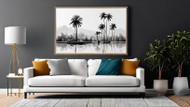
Wall Decor for Living Room: A Practical Styling Guide
Posted by graues on 10.04.26
Choosing the right wall decor for living room spaces can transform a bland room into a personal sanctuary that reflects your style and personality. Whether you're working with a sprawling open-concept space or a cozy apartment nook, your walls offer prime real estate for creativity. The challenge isn't finding things to hang—it's finding the right things that work together without making the space feel cluttered or chaotic.
Most people approach wall decoration backwards. They buy what catches their eye at the store, then struggle to make it work at home. The smarter approach? Start by understanding your space, your lighting, and the mood you want to create. Then let those factors guide your choices. It's less about following trends and more about creating a cohesive environment where you actually want to spend time.
This guide walks through practical strategies for decorating living room walls, from small-space solutions to statement pieces that anchor large rooms. You'll learn what works, what doesn't, and how to avoid the most common pitfalls that leave walls looking either too busy or disappointingly bare.
Key Takeaways
- Scale matters more than style—oversized art in small rooms overwhelms, while tiny pieces get lost on large walls
- Layer textures and dimensions rather than relying solely on flat prints for visual interest
- Odd-numbered groupings (3, 5, 7 pieces) create more dynamic, balanced arrangements than even numbers
- Leave 6-12 inches between the top of furniture and wall decor for proper proportion
- Consider the room's function and lighting before committing to a color palette or theme
Understanding Your Wall Space
Before you hammer a single nail, take stock of what you're working with. Wall space isn't just about square footage—it's about architectural features, natural light, and how the room flows. That awkward wall behind the sofa? It's actually your best opportunity for a gallery wall or oversized statement piece. The narrow wall flanking a doorway? Perfect for vertical art or floating shelves with sculptural objects.
Pay attention to your ceiling height too. Standard 8-foot ceilings benefit from vertical arrangements that draw the eye upward, creating the illusion of height. If you're blessed with 10-foot or higher ceilings, you have more flexibility for horizontal arrangements and larger-scale pieces. The National Institute on Aging recommends keeping frequently accessed decor at safe, reachable heights to prevent falls from overreaching or using unstable ladders.
Small Living Room Wall Decor Strategies
Small living room wall decor requires restraint and intentionality. The biggest mistake? Thinking small rooms need only small art. Actually, one larger piece (36-48 inches wide) often works better than multiple small items that fragment the space visually. Mirrors are your secret weapon here—they reflect light and create depth, making rooms feel significantly larger than their actual dimensions.
For small living room decor ideas that maximize impact, consider floating shelves with a curated mix of books, plants, and small art objects. This approach adds dimension without the visual weight of bulky furniture. Keep your color palette cohesive—too many competing colors in a small space creates visual chaos.

Room Decor Ideas Living Room: Scale and Proportion
Getting scale right separates amateur decorating from professional-looking results. Here's a practical framework for sizing wall decor relative to furniture:
Wall Decor Sizing Guide
Furniture Width | Recommended Art Width | Height Above Furniture
Sofa (72-96") | 48-72" (2/3 to 3/4 furniture width) | 6-12"
Loveseat (58-64") | 36-48" | 6-10"
Console Table (48-60") | 30-42" | 4-8"
Accent Chair (30-36") | 18-24" | 6-10"
These aren't rigid rules, but they provide a starting point that tends to look balanced in most spaces. When creating gallery walls, treat the entire grouping as one piece—the outer dimensions of the complete arrangement should follow these proportions.
Living Room Large Wall Decor Ideas
Large, empty walls intimidate many homeowners, but they're actually easier to decorate than awkward small spaces. Living room large wall decor ideas include oversized canvas prints, large mirrors with decorative frames, wall-mounted shelving systems, or even architectural elements like decorative molding or board-and-batten treatments.
Consider a grid gallery wall with uniform frames and mat spacing—this creates cohesion even with varied art subjects. Alternatively, a single dramatic piece (60+ inches) flanked by wall sconces provides symmetry and sophistication. Textile wall hangings, like woven tapestries or macramé, add warmth and texture that flat art can't achieve.
Common Mistakes
The most frequent wall decor mistake is hanging everything too high. The center of artwork should sit at eye level, typically 57-60 inches from the floor—this is the standard used by museums and galleries. When hanging art above furniture, the gap matters: too much space disconnects the decor from the furniture below, while too little makes both elements feel cramped.
Another common error is neglecting the power of negative space. Walls don't need to be completely covered. Strategic empty areas give the eye places to rest and make your chosen pieces stand out more. Overcrowding creates visual noise that diminishes the impact of individual items.
Many people also make impulsive purchases without considering their existing color scheme and furniture style. That vibrant abstract print might look amazing in the store, but if it clashes with your neutral, minimalist aesthetic, it'll never look right. Take paint swatches or photos of your room when shopping for wall decor.
Finally, using inadequate hanging hardware causes both aesthetic and safety issues. According to Consumer Product Safety Commission guidelines, properly secured wall-mounted items prevent tip-over accidents and injuries. Use appropriate anchors for your wall type—drywall anchors for hollow walls, masonry anchors for brick or concrete.
Practical Tips
Here are actionable strategies for living room wall decor ideas that actually work in real homes:
1. Create a paper template: Before drilling holes, trace your frames on kraft paper, tape them to the wall, and live with the arrangement for a day or two. This lets you adjust placement without damaging walls.
2. Use a level and measuring tape: Eyeballing leads to crooked art and uneven spacing. Invest in a small laser level for gallery walls with multiple pieces—it saves enormous frustration.
3. Layer artwork on shelves: Picture ledges let you easily swap and rearrange decor seasonally without new nail holes. Lean larger pieces in back, layer smaller frames in front.
4. Mix mediums and textures: Combine framed prints with three-dimensional objects like woven baskets, metal sculptures, or ceramic plates for depth and visual interest.
5. Consider lighting: Picture lights or track lighting can transform ordinary art into gallery-worthy displays. Even battery-operated LED strips behind floating shelves add ambiance.
6. Embrace asymmetry: Perfectly symmetrical arrangements can feel stiff. Try balancing visual weight instead—a large piece on one side balanced by several smaller pieces on the other.
7. Use color strategically: Pull one or two accent colors from your art into throw pillows, blankets, or other decor to create cohesion throughout the room.
8. Don't forget corners: Corner shelves or tall plants draw the eye around the entire room rather than focusing only on primary walls.
9. Respect architectural features: Work with windows, fireplaces, and built-ins rather than fighting them. Frame these features with your decor instead of covering them up.
10. Plan for flexibility: Trends change and so do your tastes. Choose hanging systems that allow easy updates without major wall repairs.
FAQ
What's the best height to hang wall art in a living room?
The center of your artwork should typically sit at 57-60 inches from the floor, which represents average eye level. When hanging art above a sofa or console, leave 6-12 inches between the furniture top and the bottom of the frame. For very tall ceilings, you can go slightly higher, but avoid the temptation to push art too far up the wall where it becomes disconnected from the living space.
How do I decorate a large living room wall without spending a fortune?
Consider DIY options like framing fabric remnants, wallpaper samples, or your own photography. Thrift stores and estate sales often have quality frames you can update with paint. Large-scale impact can also come from peel-and-stick wallpaper on an accent wall, floating shelves styled with books and plants, or a collection of plates or baskets arranged in a pattern. Sometimes architectural solutions like painted geometric shapes or board-and-batten create drama at just the cost of materials and your time.
Should wall decor match furniture or contrast with it?
Neither extreme works best—aim for complementary rather than matching or clashing. Pull 1-2 accent colors from your art into other room elements, but avoid overly coordinated looks that feel staged. Your wall decor should harmonize with the room's overall style (modern, traditional, eclectic) while adding personality and visual interest. Contrast in texture often works better than contrast in color—smooth, modern furniture pairs beautifully with textured wall hangings or rustic wood pieces.
How much wall space should I leave empty?
A good rule of thumb is to cover about 60-75% of available wall space, leaving 25-40% as negative space. This varies by room size and style—minimalist spaces need more breathing room, while maximalist or eclectic styles can handle fuller walls. The key is ensuring individual pieces have enough surrounding space to be appreciated rather than competing for attention.
Can I mix frame colors and styles in a gallery wall?
Absolutely, but establish one unifying element—either consistent mat color, similar frame finish (all wood tones or all metals), or a cohesive color palette in the artwork itself. Mixing frame styles works best in eclectic or bohemian spaces. For traditional or modern rooms, uniform frames with varied art creates a cleaner, more intentional look. Test your arrangement on the floor before hanging to ensure the mix feels balanced rather than chaotic.
What's the best way to hang heavy mirrors or artwork safely?
Use wall anchors rated for at least double the item's weight, and always locate studs when possible for the most secure installation. For items over 30 pounds, use two hanging points rather than one central hook to distribute weight. Picture hanging wire should be heavy-duty steel, not thin craft wire. When in doubt about structural support or proper installation methods, especially for valuable or very heavy pieces, consulting a professional handyman ensures both safety and protection of your walls and decor.
Bringing Your Walls to Life

Decorating your living room walls is less about following rigid design rules and more about creating a space that feels authentically yours. Start with one anchor piece or area that excites you, then build around it gradually. You don't need to complete everything in one weekend—living with your space and adding thoughtfully over time often produces better results than rushing to fill every wall.
Remember that wall decor serves both aesthetic and emotional purposes. It should make you happy when you walk into the room, create conversation with guests, and reflect the life you're actually living. Don't be afraid to swap things out seasonally or as your tastes evolve. The beauty of wall decor is its flexibility—unlike furniture or paint color, it's relatively easy and inexpensive to change.
Ready to transform those blank walls? Start by identifying your largest wall space and commit to one quality piece or arrangement there. Once that anchor is in place, the rest of the room will come together more naturally. Your living room walls are waiting to tell your story—give them something worth saying.